Candidates from North Macedonia
What European employers should know about the labour market, education system and documentation practice in North Macedonia.
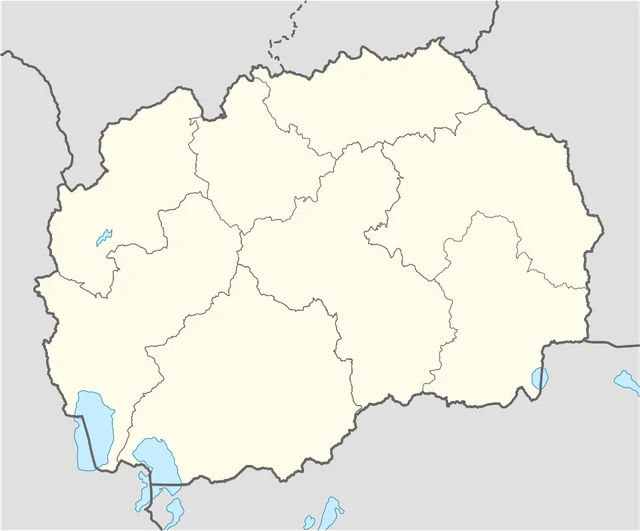
Country overview
North Macedonia is a compact, landlocked market whose economy leans on manufacturing for export: automotive components, electrical products, machine parts and a long-established textile and garment sector. Free economic zones around Skopje and Štip host suppliers to Western European manufacturers, so a meaningful share of the industrial workforce has produced to European quality and documentation standards.
The country has been an EU candidate for many years and holds NATO membership, which has kept its industrial regulation and vocational curricula oriented towards European norms. For employers this usually shortens the adaptation period for production and assembly profiles.
Skopje concentrates the universities, the IT and shared-services sector and most of the country's engineering graduates. Bitola, Štip and Tetovo add industrial and technical schools. Emigration towards Germany, Switzerland and neighbouring EU states is well established, so previous work experience abroad is common and worth asking about per profile.
- Region
- Southern Western Balkans, bordering Kosovo, Serbia, Bulgaria, Greece and Albania
- Time zone
- Central European Time — same working day as Germany and Austria
- Typical education route
- Vocational and technical secondary schools, plus universities in Skopje, Bitola, Štip and Tetovo
- Strong sectors
- Automotive components, electrical manufacturing, machine parts, textiles, food processing
- Languages
- Macedonian (Cyrillic script); Albanian widely spoken; English common among younger candidates
Relevant candidate categories
Professional categories most present in the labour market.
Education and vocational pathways
Secondary education splits into general (gymnasium) and vocational-technical streams. Four-year technical schools feed the electrical, mechanical and automotive supplier plants directly, and the free economic zones have pushed some schools to align training with the equipment their local employers run.
Universities in Skopje, Bitola, Štip and Tetovo run engineering, computing and medical faculties. Programmes are largely Bologna-aligned, but formal recognition in your country remains a separate administrative question decided by the competent authority there.
Because documents are issued in Macedonian and often in Cyrillic script, plan for certified translation earlier than you would for a Latin-script qualification, and ask which institution and year each certificate carries.
Languages as an individual profile attribute
The official language is Macedonian, written in Cyrillic; Albanian is an official language at municipal level in many areas and is a first language for a large minority. Neither tells you anything about a candidate's German or English, which are individual attributes to be tested.
English is comparatively common among younger candidates and in the IT and shared-services sector. German appears most often among candidates with family or work links to German-speaking countries. Define the level by the communication your role actually requires and assess it directly.
Relevant industries
Industries where these candidates most often have experience.
Skills and qualifications to verify
Qualifications employers should verify.
- The certificate, the issuing school or faculty and the year of completion
- Whether the role is regulated in your country and requires formal recognition
- Documented experience, including whether it was in an export or free-zone plant
- Practical skill through a task built around your own equipment
- Language level assessed against real communication needs in the role
- Certified translation of Cyrillic-script documents, planned into the timeline
Documentation considerations
Documentation considerations.
- Diplomas and certificates are typically issued in Macedonian, often in Cyrillic
- Certified translation and, where required, legalisation add lead time
- Recognition for regulated professions runs through authorities in the country of employment
- Work authorisation route depends on your national rules and the specific role
- Confirm documentation requirements before agreeing a start date
We do not publish fixed permit or visa timelines. Processing depends on the authority, the country of employment, the role and the individual case. Confirm current requirements and processing information with the competent authority before agreeing a start date.
Relevant professions
Profession pages relevant to this labour market.
How recruitment continues on Candidate Force
Balkan Candidate is where employers orient themselves. Candidate Force is where the recruitment process actually happens.
Explore profiles
Review available candidate profiles by professional category and see what the current talent pool actually contains before you commit.
Publish a job
Create a free employer profile and publish your vacancy with the requirements, location and start period that matter to you.
Receive applications
Applications arrive in one place instead of being scattered across email threads, job boards and spreadsheets.
Review candidate details
Compare qualifications, experience and language level, and shortlist the profiles that fit your role.
Continue recruitment
Move to contact and interviews through the plan that fits your hiring volume and internal process.
Related hiring guides
Frequently asked questions
No. It is an EU candidate country and a NATO member. Candidates from North Macedonia are third-country nationals for employment purposes in EU member states, and the applicable work authorisation route depends on your national rules and the specific role.
Industrial and automotive-supplier profiles appear most consistently, reflecting the export manufacturing base, alongside electrical, mechanical and a growing IT segment. Availability of any specific profile changes continuously, so check current profiles rather than planning around a general statement.
Free economic zones host suppliers to Western European manufacturers, so exposure to comparable equipment and quality systems exists. It varies by employer and should be verified per profile rather than assumed.
Certificates are usually in Macedonian and often in Cyrillic script, so build in time for certified translation and, where required, legalisation. Ask for the issuing institution and year on every document.
The official language is Macedonian in Cyrillic, and Albanian is widely spoken. As everywhere, German or English ability is individual and must be tested, never inferred from the country.
See which profiles are currently available
Country context helps you plan. Candidate Force shows which candidate profiles are actually available right now.
Country information is general and for orientation only. Immigration, recognition and employment rules are set by authorities in your jurisdiction and must be confirmed there.