Candidates from Bosnia and Herzegovina
What European employers should know about the labour market, vocational system and documentation practice in Bosnia and Herzegovina.
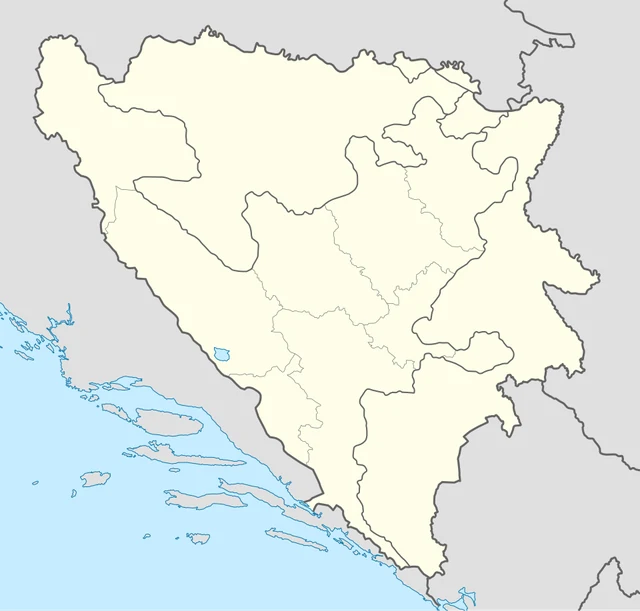
Country overview
Bosnia and Herzegovina has an industrial history built around metalworking, machine building, wood processing, energy and automotive component supply. Several of these sectors survived deep structural change and continue to serve as suppliers to Central European manufacturers, which means practical exposure to European quality expectations exists in parts of the workforce.
The country's administrative structure is complex, with competences divided between two entities and Brčko District. For employers this mainly matters in one practical respect: documents may be issued by different institutions depending on where the person studied or worked, so it is worth asking which body issued a certificate rather than assuming a single national format.
Construction, technical trades and, increasingly, care professions are the fields where candidates most often orient themselves towards the European labour market. Many have relatives or previous personal experience in Germany, Austria, Slovenia or Croatia, which tends to shorten practical adaptation.
- Region
- Western Balkans, bordering Croatia, Serbia and Montenegro
- Time zone
- Central European Time — same working day as Germany and Austria
- Typical education route
- Technical secondary schools and vocational centres, plus universities in larger cities
- Strong sectors
- Metalworking, machine building, construction, wood processing, energy
- Distance
- Road and air connections to Central Europe within a day
Relevant candidate categories
Professional categories most present in the labour market.
Education and vocational pathways
Secondary education includes a substantial vocational stream. Technical secondary schools typically run three or four years and combine theory with practical training, producing the electricians, mechanics, welders and technicians that industrial employers most often look for.
Universities in Sarajevo, Banja Luka, Tuzla, Mostar and Zenica offer engineering, medical and IT programmes. Many programmes follow Bologna structures, but formal recognition in your country remains a separate administrative question decided by the competent authority there.
Ask which school or centre issued a qualification, in which year, and what practical component it included. Two certificates with a similar title can represent quite different practical preparation.
Languages as an individual profile attribute
Language ability is an individual attribute and never a national one. Some candidates have strong German from family connections, previous employment or structured courses; others have stronger English; many have neither at a working level yet.
Treat language as a requirement to be defined and tested, exactly as you would for a domestic hire. Define the level by the communication that genuinely has to happen — safety briefings, shift handovers, patient contact — rather than by a generic level copied from a previous advert.
Relevant industries
Industries where these candidates most often have experience.
Skills and qualifications to verify
Qualifications employers should verify.
- The certificate itself, the issuing institution and the year of completion
- Whether the activity is regulated in your country and requires formal recognition
- Documented work experience with employer, site type and duration
- Practical skill through a task designed around your own equipment
- Language level assessed against real communication needs
- Any role-critical certifications with issue and expiry dates
Documentation considerations
Documentation considerations.
- Certificates may be issued by different institutions depending on entity and location
- Translations and, where required, legalisation add lead time to the process
- Recognition procedures for regulated professions run through authorities in the country of employment
- Work authorisation route depends on your national rules and on the specific role
- Plan documentation before agreeing a start date, not afterwards
We do not publish fixed permit or visa timelines. Processing depends on the authority, the country of employment, the role and the individual case. Confirm current requirements and processing information with the competent authority before agreeing a start date.
Relevant professions
Profession pages relevant to this labour market.
How recruitment continues on Candidate Force
Balkan Candidate is where employers orient themselves. Candidate Force is where the recruitment process actually happens.
Explore profiles
Review available candidate profiles by professional category and see what the current talent pool actually contains before you commit.
Publish a job
Create a free employer profile and publish your vacancy with the requirements, location and start period that matter to you.
Receive applications
Applications arrive in one place instead of being scattered across email threads, job boards and spreadsheets.
Review candidate details
Compare qualifications, experience and language level, and shortlist the profiles that fit your role.
Continue recruitment
Move to contact and interviews through the plan that fits your hiring volume and internal process.
Related hiring guides
Frequently asked questions
No. It is a candidate country for EU membership, which means candidates from Bosnia and Herzegovina are third-country nationals for employment purposes in EU member states. The applicable work authorisation route depends on your national rules and on the specific role.
Technical trades, construction trades and industrial profiles appear most consistently, reflecting the vocational system and the country's industrial history. Care and nursing profiles are a growing group. Availability of any specific profile changes continuously, so check current profiles rather than planning around a general statement.
Some do, at varying levels, often through family connections or previous work in German-speaking countries. Others do not. This is an individual attribute and must be assessed per candidate, never assumed from nationality.
Ask for the original document, note the issuing school or centre and the year, and check what practical training it included. For regulated activities, use the official recognition procedure in your country. For non-regulated roles, combine the document with a practical assessment of your own.
We do not publish a figure, because processing depends on the authority, the country, the role and the individual case, and an outdated number leads directly to broken start dates. Ask the competent authority in your jurisdiction for current information.
See which profiles are currently available
Country context helps you plan. Candidate Force shows you which candidate profiles are actually there right now.
Country information is general and for orientation only. Immigration, recognition and employment rules are set by authorities in your jurisdiction and must be confirmed there.