Candidates from Kosovo
What European employers should know about the labour market, education system and documentation practice in Kosovo.

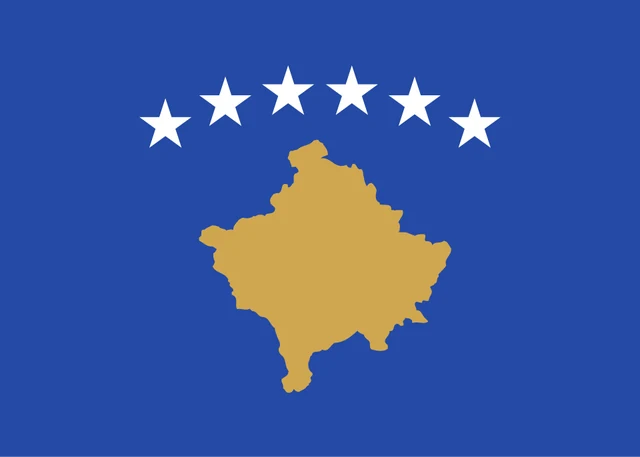
Country overview
Kosovo has the youngest population in Europe by median age, which shapes its labour market: a large, growing cohort of school-leavers and graduates entering work each year, and a strong outward orientation towards employment in the EU, particularly Germany and Switzerland where a substantial diaspora already lives.
The economy is weighted towards construction, trades, retail and services, with a fast-growing information-technology and outsourcing sector concentrated in Pristina. Heavy industry is smaller than in Serbia or Bosnia, so the strongest supply is in construction trades, installation work and services rather than in large-plant manufacturing.
The diaspora connection matters practically. Many candidates have relatives who have worked in German-speaking countries, and a share have themselves worked abroad seasonally, which often means existing German and familiarity with EU site and workplace expectations. As always, this is individual and worth confirming per profile.
- Region
- Central Western Balkans, bordering Serbia, North Macedonia, Albania and Montenegro
- Time zone
- Central European Time — same working day as Germany and Austria
- Workforce
- Youngest median age in Europe; large annual inflow of new labour-market entrants
- Strong sectors
- Construction and trades, installation work, retail and services, information technology
- Languages
- Albanian (official), Serbian (official); strong German exposure through the diaspora; English common among younger candidates
Relevant candidate categories
Professional categories most present in the labour market.
Education and vocational pathways
Secondary education includes vocational schools oriented towards construction trades, electrical and mechanical work, and services. The construction sector's prominence means trade experience is often gained young and on real projects, including projects abroad through the diaspora network.
The University of Pristina and a growing set of private colleges supply engineering, computing, economics and medical graduates. Programmes follow Bologna structures, but formal recognition in your country is a separate administrative question for the competent authority there.
Because Kosovo's documentation and recognition landscape is younger than its neighbours', ask specifically which institution issued a qualification and in which year, and plan translation and verification into your timeline.
Languages as an individual profile attribute
The official languages are Albanian and Serbian. What stands out for many employers is the depth of German exposure created by decades of migration to Germany, Austria and Switzerland — but this is a family and personal history, not a national guarantee, and must be tested per candidate.
English is common among younger candidates and in the Pristina IT sector. As with every country on this site, define the language level by the communication your role genuinely requires and assess it directly rather than assuming it.
Relevant industries
Industries where these candidates most often have experience.
Skills and qualifications to verify
Qualifications employers should verify.
- The certificate, the issuing school or faculty and the year of completion
- Whether the role is regulated in your country and requires formal recognition
- Documented trade or work experience, including any previous EU site experience
- Practical skill through a task built around your own work
- Language level assessed against real communication needs, German included where relevant
- Documentation and translation planned into the recruitment timeline
Documentation considerations
Documentation considerations.
- Certificates are issued by schools, faculties or accredited providers in Albanian or Serbian
- Translation and, where required, legalisation add lead time
- Recognition for regulated professions runs through authorities in the country of employment
- Some countries apply specific rules to Kosovo-issued documents — confirm with your authority
- Confirm the work authorisation route before agreeing a start date
We do not publish fixed permit or visa timelines. Processing depends on the authority, the country of employment, the role and the individual case. Confirm current requirements and processing information with the competent authority before agreeing a start date.
Relevant professions
Profession pages relevant to this labour market.
How recruitment continues on Candidate Force
Balkan Candidate is where employers orient themselves. Candidate Force is where the recruitment process actually happens.
Explore profiles
Review available candidate profiles by professional category and see what the current talent pool actually contains before you commit.
Publish a job
Create a free employer profile and publish your vacancy with the requirements, location and start period that matter to you.
Receive applications
Applications arrive in one place instead of being scattered across email threads, job boards and spreadsheets.
Review candidate details
Compare qualifications, experience and language level, and shortlist the profiles that fit your role.
Continue recruitment
Move to contact and interviews through the plan that fits your hiring volume and internal process.
Related hiring guides
Frequently asked questions
No. Candidates from Kosovo are third-country nationals for employment purposes in EU member states. Recognition of Kosovo and its documents differs between some countries, so confirm the applicable work authorisation and document rules with the competent authority in your jurisdiction.
Construction trades, installation and services profiles appear most consistently, alongside a growing IT segment in Pristina. Heavy-industry profiles are fewer than in Serbia or Bosnia. Availability of any specific profile changes continuously, so check current profiles.
Decades of migration to Germany, Austria and Switzerland have created deep family links, so many candidates have German at a working level or previous employment there. It remains an individual attribute and must be tested per candidate.
Some countries apply specific procedures to documents issued in Kosovo. Do not assume standard handling — confirm document recognition and any legalisation requirements with the competent authority before planning a start date.
Both, depending on the role. A young workforce means availability and trainability, but also that some candidates have less documented experience. Assess experience per profile and pair younger hires with structured onboarding.
See which profiles are currently available
Country context helps you plan. Candidate Force shows which candidate profiles are actually available right now.
Country information is general and for orientation only. Immigration, recognition and employment rules are set by authorities in your jurisdiction and must be confirmed there.